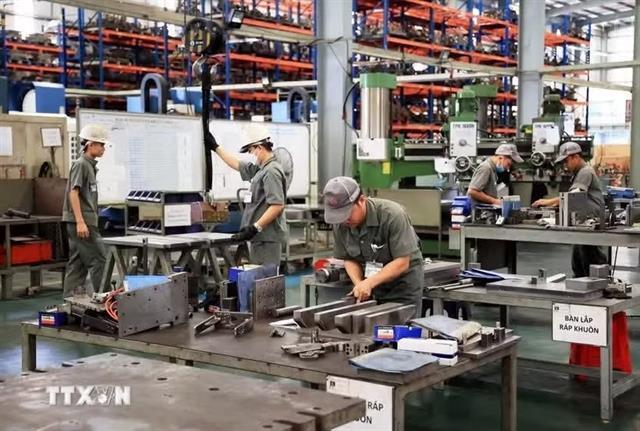
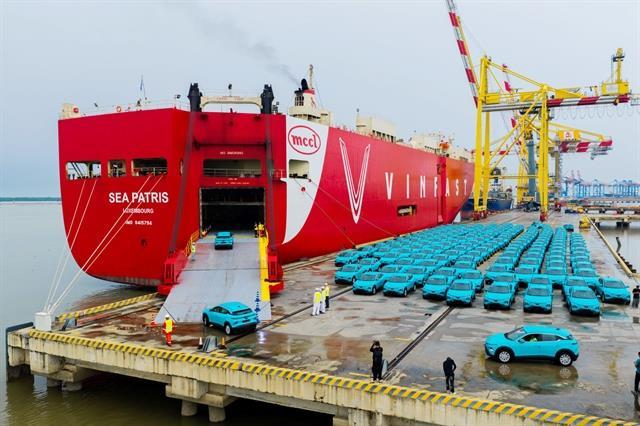
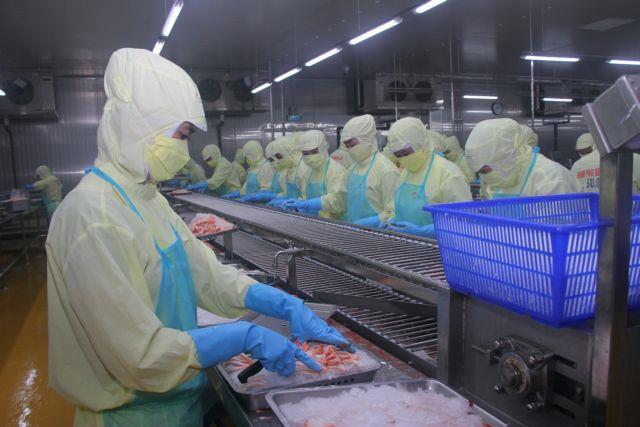
While Việt Nam’s free trade agreements often draw attention for their benefits to traditional exports such as agricultural products, seafood and textiles, electronics and mechanical components hold significant strategic potential in trade with EFTA, comprising Switzerland, Norway, Iceland and Liechtenstein.
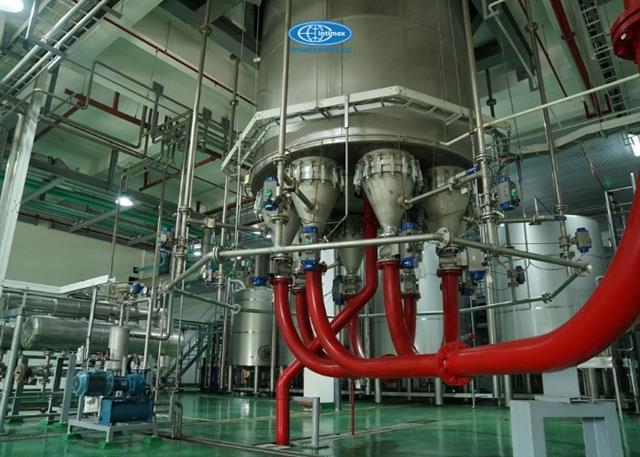
A strong industrial base should be measured not only by production and exports of finished products, but also by the ability to master materials, components, equipment, technology, design, standards and technical services that generate higher added value.
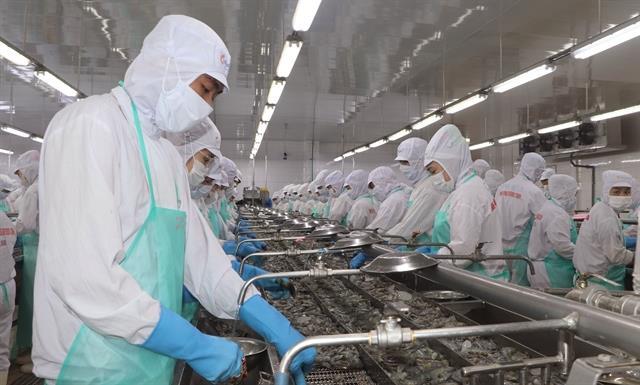
Turning tariff preferences into a competitive advantage will require businesses to meet stringent requirements on quality, traceability and sustainable development.
Life insurance coverage remains limited, with only around 11.7 per cent of the population participating in life insurance as of the end of 2025, compared with the Government’s goal of 18 per cent by 2030.
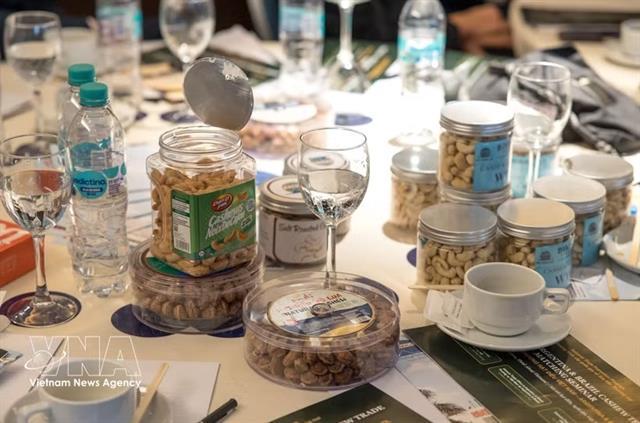
Việt Nam is optimistic about achieving around US$9 billion in exports in 2026, supported by higher production, growing investments in value-added processing, and the advantages from complying with the European Union Deforestation Regulation.
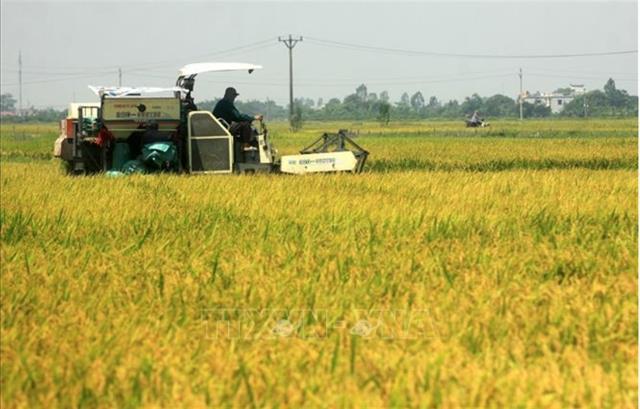
The association particularly urged businesses to buy fragrant and high-quality varieties, such as DT8 and OM18, at prices of VNĐ7,000 (US$0.27) per kilogramme or higher.
The FTA would widen access to markets with strong demand for premium food products in line with the country’s strategy of shifting exports towards increasing added value.
Experts said startups need more than innovative ideas to succeed, highlighting management capacity, continuous innovation and sustainable business models as key factors for long-term growth.
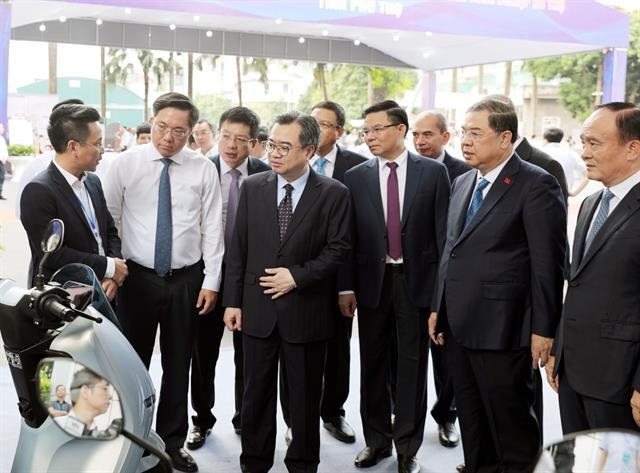
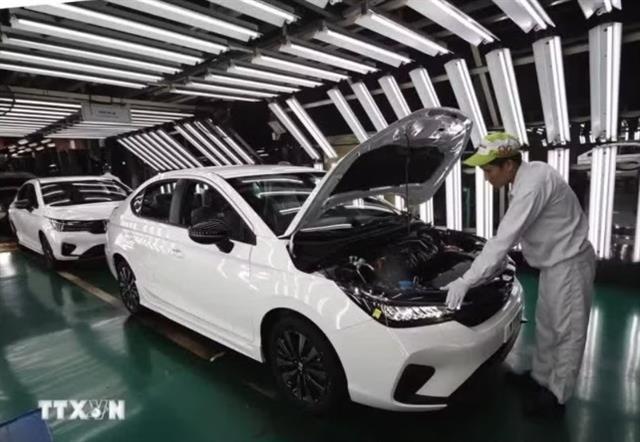
Việt Nam’s automobile and motorcycle manufacturers said most current vehicle models are compatible with E10 biofuel gasoline but warning that some older vehicles may face operational issues, the Ministry of Industry and Trade has reported.
Record imports of raw cashew nuts in the first months of 2026 reflect not only expanding processing capacity but also the urgent need for the industry to shift toward higher value-added production and a more resilient supply chain model.